



Balcony two sliding leaves in matt black aluminum series A70
13 January, 2026
Gallery composed of a structure with climalit® 4-16 argon-4 gas plus planitherm 4s® glass of the SILVER 76 RPT Minimalist and STILO 60 RPT series.
23 January, 2026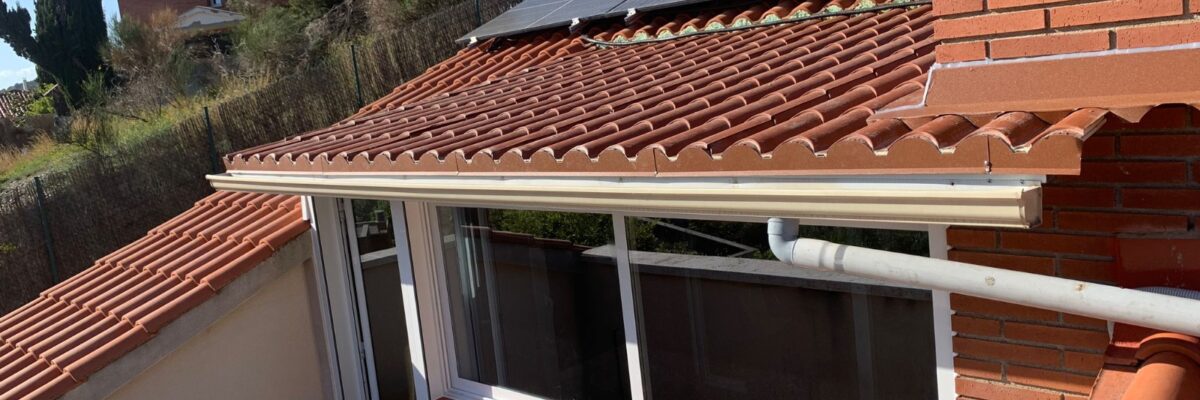
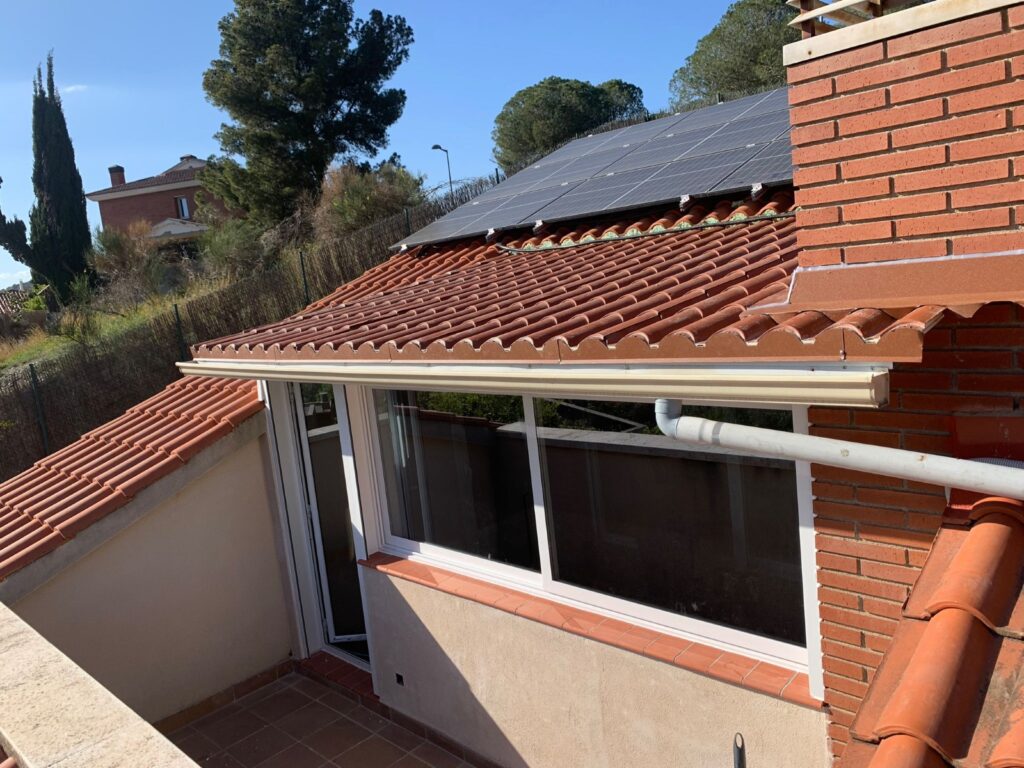
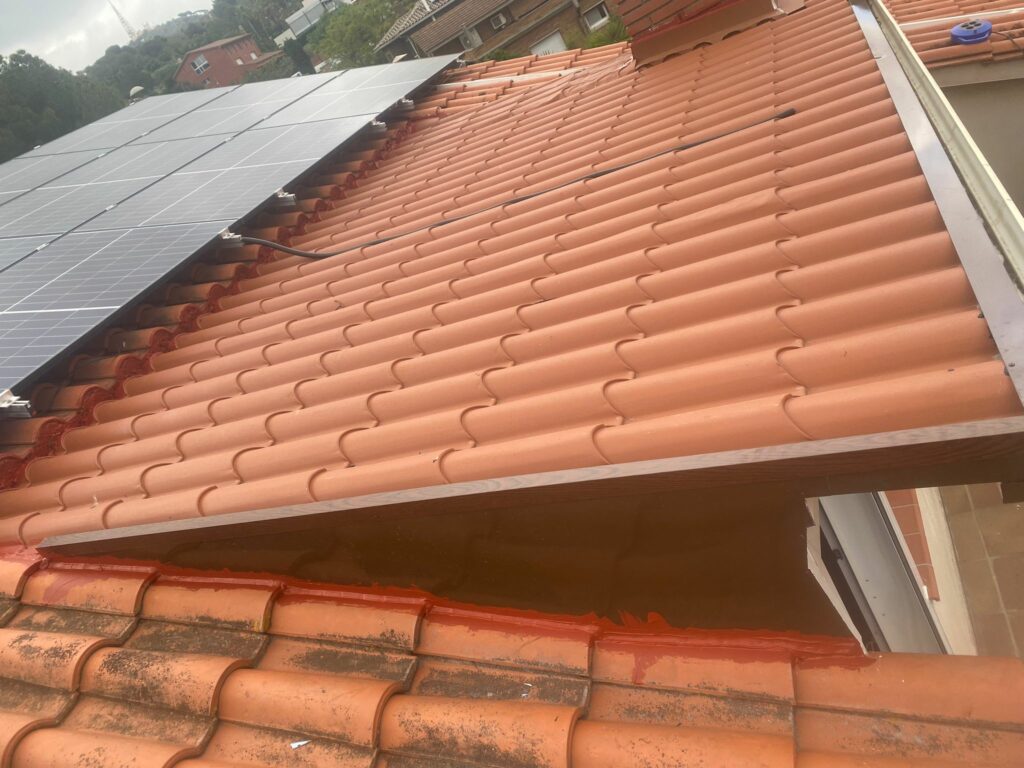
The evolution of metallic materials has consolidated steel with a tile-like finish as a superior technical alternative to traditional roofing solutions. What used to be a purely aesthetic option is now analyzed under criteria of structural performance and on-site efficiency.
Balance between classic aesthetics and technical efficiency
The success of this system lies in its ability to offer the visual appearance of the traditional tile while meeting the demands of contemporary engineering:
- Load optimization: Its low specific weight allows the design of leaner and more economical support structures, without compromising the stability of the whole.
- Architectural integration: Today’s matte polymer finishes and grainy textures allow the material to be integrated into urban and rural environments without generating a disruptive visual impact.
- Leakage behavior: As it is presented in large format sheets with hermetic overlap systems, the number of joints is drastically reduced compared to tile piece by piece, minimizing the risk of leaks.
Sustainability and life cycle
From the point of view of the building’s life cycle, tile steel stands out for its durability. While other materials suffer from frost erosion or microorganism growth, galvanized steel maintains its mechanical properties for decades with minimal maintenance. Moreover, its status as a recyclable material aligns it with today’s circular construction standards.
“The choice of steel roof tiles is not just a fashion statement, but a search for greater safety and speed in the execution of projects,” explain roofing experts.
Key performance points
- Versatility: Suitable for minimum slopes where ceramic tile is not recommended.
- Speed of assembly: Reduction of execution times by 40% compared to traditional systems.
- Mechanical resistance: High snow load capacity and resistance to hail impacts.